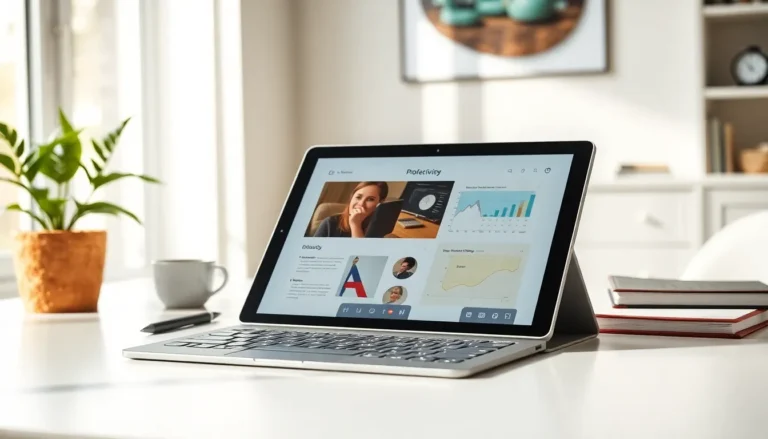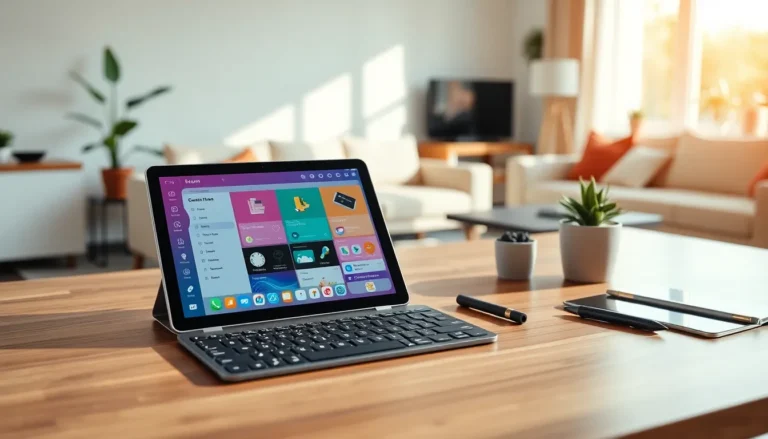
Tablets strategies can transform how people work, create, and stay organized. These portable devices bridge the gap between smartphones and laptops, offering flexibility that traditional computers simply can’t match. But owning a tablet isn’t enough. Users need smart approaches to unlock real productivity gains and peak performance.
This guide covers practical tablets strategies that make a difference. From selecting the right device to optimizing workflows and integrating accessories, every section delivers actionable advice. Whether someone uses their tablet for business, creative projects, or daily tasks, these strategies help them get more done in less time.
Table of Contents
ToggleKey Takeaways
- Effective tablets strategies start with choosing a device that matches your specific use case, whether creative work, business tasks, or note-taking.
- Productivity apps like Microsoft 365, Notion, and dedicated note-taking tools are essential for unlocking your tablet’s full potential.
- Mastering split-screen multitasking and automating repetitive tasks can save hours of work time each week.
- Accessories like keyboards, styluses, and USB-C hubs transform tablets from consumption devices into powerful workstations.
- Strong authentication, regular software updates, and automatic cloud backups are critical for protecting sensitive data on portable devices.
- Simple maintenance habits—screen protectors, port cleaning, and temperature awareness—extend your tablet’s lifespan and performance.
Choosing the Right Tablet for Your Needs
The first step in any tablets strategies plan involves selecting hardware that matches specific use cases. Not all tablets perform equally, and picking the wrong one leads to frustration.
Consider Primary Use Cases
Buyers should ask themselves what they’ll actually do with the device. A graphic designer needs excellent stylus support and color accuracy. A business professional prioritizes multitasking capabilities and keyboard compatibility. Students might focus on note-taking features and battery life.
iPad Pro models excel at creative work with Apple Pencil integration. Samsung Galaxy Tab S series offers Android flexibility and DeX mode for desktop-like experiences. Microsoft Surface tablets run full Windows applications, making them ideal for professionals who need legacy software.
Evaluate Key Specifications
Screen size matters more than many buyers realize. Tablets between 10 and 11 inches balance portability with usability. Larger 12-inch screens work better for split-screen multitasking but sacrifice grab-and-go convenience.
RAM and storage affect daily performance. For basic browsing and media consumption, 4GB RAM suffices. Power users running multiple apps simultaneously should look for 8GB or more. Storage needs vary, cloud-heavy users can manage with 128GB, while offline workers benefit from 256GB or higher.
Processor power determines how smoothly everything runs. Apple’s M-series chips and Qualcomm’s Snapdragon 8 Gen processors handle demanding tasks without breaking a sweat.
Essential Productivity Apps and Tools
Hardware only tells half the story. Effective tablets strategies depend on the right software ecosystem.
Document and Note-Taking Applications
Microsoft 365 remains the gold standard for document creation across platforms. Google Workspace offers seamless cloud collaboration. Both sync across devices, so work started on a tablet continues on any other screen.
Note-taking apps deserve special attention. Notability and GoodNotes dominate iPad note-taking with handwriting recognition and PDF annotation. Samsung Notes provides similar functionality for Galaxy Tab users. These apps turn tablets into digital notebooks that never run out of pages.
Task Management and Organization
Todoist, Notion, and Asana help users track projects and deadlines. They integrate with calendars and email, creating centralized command centers for busy schedules. Setting up daily reviews using these tools keeps priorities clear.
Communication Platforms
Slack, Microsoft Teams, and Zoom run smoothly on modern tablets. Video calls look professional with quality front-facing cameras. Users can join meetings from anywhere, a coffee shop, airport lounge, or home office. This mobility represents one of the biggest advantages tablets strategies offer over desktop setups.
Optimizing Your Tablet Workflow
Having the right tablet and apps isn’t enough. Smart tablets strategies require intentional workflow design.
Master Split-Screen Multitasking
iPadOS and Android both support running two apps side by side. This feature transforms how users work. They can reference a document while writing an email, or watch a tutorial while practicing in another app. Learning keyboard shortcuts speeds up switching between apps and windows.
Use Widgets and Home Screen Organization
Cluttered home screens waste time. Users should create focused layouts with widgets displaying calendar events, task lists, and frequently used apps. Grouping similar apps into folders reduces visual noise. The goal: reach any needed tool within two taps.
Automate Repetitive Tasks
Shortcuts on iOS and Tasker on Android automate multi-step processes. A single tap can silence notifications, open specific apps, and adjust display settings for focused work. Another shortcut might compile daily notes into a summary document. These automations save minutes that add up to hours over time.
Leverage Cloud Storage
Cloud services like iCloud, Google Drive, and Dropbox ensure files stay accessible everywhere. Auto-syncing means the latest version is always available, regardless of which device opens it. This eliminates the “wrong version” problem that plagues local storage approaches.
Accessory Integration for Enhanced Functionality
Accessories transform tablets from consumption devices into production powerhouses. Strategic tablets strategies always include the right peripheral investments.
Keyboards Make the Difference
Touchscreens work fine for casual use, but extended typing demands a physical keyboard. Apple’s Magic Keyboard, Logitech Combo Touch, and Samsung Book Cover Keyboard offer excellent typing experiences. They add protection and adjustable viewing angles as bonuses.
Stylus Options for Creative Work
Apple Pencil and Samsung S Pen enable precise input for drawing, note-taking, and document markup. Third-party options from Logitech and Zagg provide budget-friendly alternatives. Artists and designers consider stylus quality non-negotiable.
External Displays and Docks
USB-C hubs expand connectivity options dramatically. Users can connect external monitors, SD cards, USB drives, and ethernet cables. Some tablets now support desktop-mode outputs, turning them into workstation replacements when docked.
Protective Cases and Stands
Durability matters for devices that travel constantly. Quality cases protect against drops without adding excessive bulk. Adjustable stands improve ergonomics during long work sessions, reducing neck strain from looking down at flat surfaces.
Security and Maintenance Best Practices
Tablets carry sensitive data, making security a core component of effective tablets strategies. A compromised device can expose personal information, financial details, and business secrets.
Enable Strong Authentication
Biometric locks, Face ID and fingerprint sensors, provide convenient security. Users should enable them alongside strong alphanumeric passcodes. Six-digit PINs offer minimal protection compared to complex passwords.
Keep Software Updated
Operating system updates patch security vulnerabilities. Delaying updates leaves devices exposed to known exploits. Enable automatic updates whenever possible, and check manually at least monthly.
Install Reputable Apps Only
Downloading apps exclusively from official stores reduces malware risk. Users should review permissions before installation, a flashlight app doesn’t need access to contacts or location data. Removing unused apps minimizes attack surfaces.
Regular Backups Prevent Data Loss
Cloud backups should run automatically. Users can also perform periodic local backups to a computer for redundancy. When something goes wrong, theft, damage, or software corruption, recent backups mean minimal data loss.
Physical Care Extends Lifespan
Screen protectors prevent scratches that accumulate over time. Cleaning ports regularly maintains charging reliability. Avoiding extreme temperatures protects battery health. These simple habits keep tablets performing well for years.